The debate around cold plunging—also known as cold water immersion or ice baths—has heated up lately, especially when it comes to women. One day you’re scrolling and see influencers raving about how a quick dip transformed their recovery and mood; the next, experts warn that extreme cold might mess with hormones or add unnecessary stress. I remember my first plunge vividly. It was last winter in a friend’s backyard tub, water hovering around 50°F. I lasted maybe 90 seconds before my teeth chattered like castanets. The rush afterward? Electric. Clear head, buzzing energy. But as someone who’s tracked her cycle for years, I wondered: was this helping or quietly sabotaging something deeper?
What Is Cold Plunging Exactly?
Cold plunging means submerging your body (usually up to the neck or shoulders) in water between 50–59°F (10–15°C) for anywhere from 30 seconds to 10–15 minutes. People do it post-workout, first thing in the morning, or as a standalone ritual. It’s not new—think Scandinavian traditions or Wim Hof—but social media turned it mainstream. The shock triggers your nervous system, spikes certain hormones, and forces your body to adapt. For women, though, the conversation gets nuanced because biology doesn’t treat everyone the same.
The General Benefits of Cold Water Immersion
Across genders, research points to real upsides when done right. Cold exposure constricts blood vessels, reduces swelling, and can dial down inflammation after tough sessions. Many report sharper focus from the dopamine and norepinephrine surge—sometimes described as a natural high that lasts hours. Over time, regular practice might build mental toughness and improve sleep quality for some. It’s not a cure-all, but for active folks, it’s one tool in the recovery kit.
Why the Conversation Shifts for Women
Women often feel the cold more intensely thanks to differences in blood flow, body composition, and hormones like estrogen and progesterone. Studies show we vasoconstrict faster and report discomfort at slightly warmer temps than men. That sensitivity means shorter or milder sessions can deliver similar perks without the same shock. Experts like Dr. Stacy Sims emphasize this: women don’t need to chase extreme ice to get results. Pushing too hard might trigger a bigger stress response, potentially elevating cortisol in ways that feel counterproductive.
Hormonal Considerations and the Menstrual Cycle
Your cycle plays a starring role here. In the follicular phase (days 1–14-ish), rising estrogen often brings more energy and resilience—many women tolerate colder water better then. Post-ovulation in the luteal phase, progesterone raises core temperature slightly, making cold feel harsher and potentially spiking stress more. Some hormone specialists suggest easing off extremes during this window or sticking to moderate temps around 55–59°F to avoid disrupting rhythm. Animal studies hint at possible inflammation in reproductive tissues from prolonged cold, but human evidence remains limited and inconclusive.
Potential Benefits Specific to Women
Plenty of women swear by it for mood support, especially around PMS or perimenopause. One survey on cold water swimming found participants reporting fewer anxiety spikes, better mood stability, and eased menstrual discomfort like cramps or irritability. The norepinephrine boost can feel balancing rather than overwhelming for many. It might also aid circulation, which some find helpful for bloating or fatigue. When timed thoughtfully, it aligns with natural ebbs and flows instead of fighting them.
Risks and Potential Downsides for Women
The flip side? A recent randomized trial found no real muscle recovery boost from cold immersion in women over 72 hours—and it noted acute cortisol spikes. Extreme plunges could add chronic stress if overdone, possibly affecting thyroid function or cycle regularity in sensitive individuals. Those with Raynaud’s, heart conditions, or pregnancy should skip it entirely—the initial shock raises heart rate and blood pressure fast. Mouse research raised flags about reproductive inflammation, though translating that to humans needs more work. Bottom line: listen to your body over trends.
Pros and Cons of Cold Plunging for Women
Here’s a quick breakdown to weigh it out:
Pros:
- May reduce post-exercise soreness and inflammation (though effects vary)
- Potential mood lift via dopamine/norepinephrine surge
- Builds mental resilience and stress adaptation over time
- Some report easier PMS symptoms and better sleep
- Accessible and low-cost once you have setup
Cons:
- Higher cold sensitivity can make it feel punishing
- Acute stress response (cortisol spike) might not suit everyone
- Limited evidence for superior recovery in women vs. men
- Risk of over-stressing hormones if extreme or mistimed
- Not ideal during certain cycle phases or with health conditions
The balance tips positive for many when approached mindfully.
How to Cold Plunge Safely as a Woman
Start conservative: aim for 55–60°F rather than sub-50°F ice baths. Begin with 30–60 seconds and build slowly—never force it. Follicular phase? Go a bit bolder if it feels good. Luteal? Opt for shorter dips or cooler showers. Always warm up gradually afterward with movement or layers. Hydrate, breathe steadily (avoid hyperventilating), and stop if you feel dizzy or panicked. Consult a doctor first if you have any medical history.
Best Tools and Setups for Beginners
You don’t need a fancy tub to start. Here’s what works well:
- At-home inflatable tubs — The Ice Barrel or similar portable options run $100–400 and hold temp decently.
- Cold showers — Free and effective; alternate hot/cold or finish cold for 1–3 minutes.
- Chest freezer conversions — DIY enthusiasts build these for consistent cold (around $300–600 in parts).
- Commercial plunges — Gyms or wellness centers offer sessions if you want to test without commitment.
| Option | Cost Range | Pros | Cons |
|---|---|---|---|
| Cold Shower | Free | Easy entry, no equipment | Less immersive |
| Inflatable Tub | $100–400 | Portable, home use | Temp control tricky |
| Ice Barrel | $1,000+ | Durable, good insulation | Higher upfront cost |
| Gym/Studio Session | $20–50 ea | Guidance, no setup | Inconvenient scheduling |
Pick what fits your lifestyle and budget.
Real Stories from Women Who Plunge
I spoke with a friend who’s a runner in her mid-30s—she plunges 3x/week in the follicular phase and notices less bloating and steadier energy. Another, navigating perimenopause, uses short dips for mood resets and swears it cuts her anxiety spikes. Not everyone loves it; one woman I know tried aggressive ice baths and felt wrecked for days—her cycle went haywire until she dialed back. Personal trial and error matters more than any guru’s protocol.
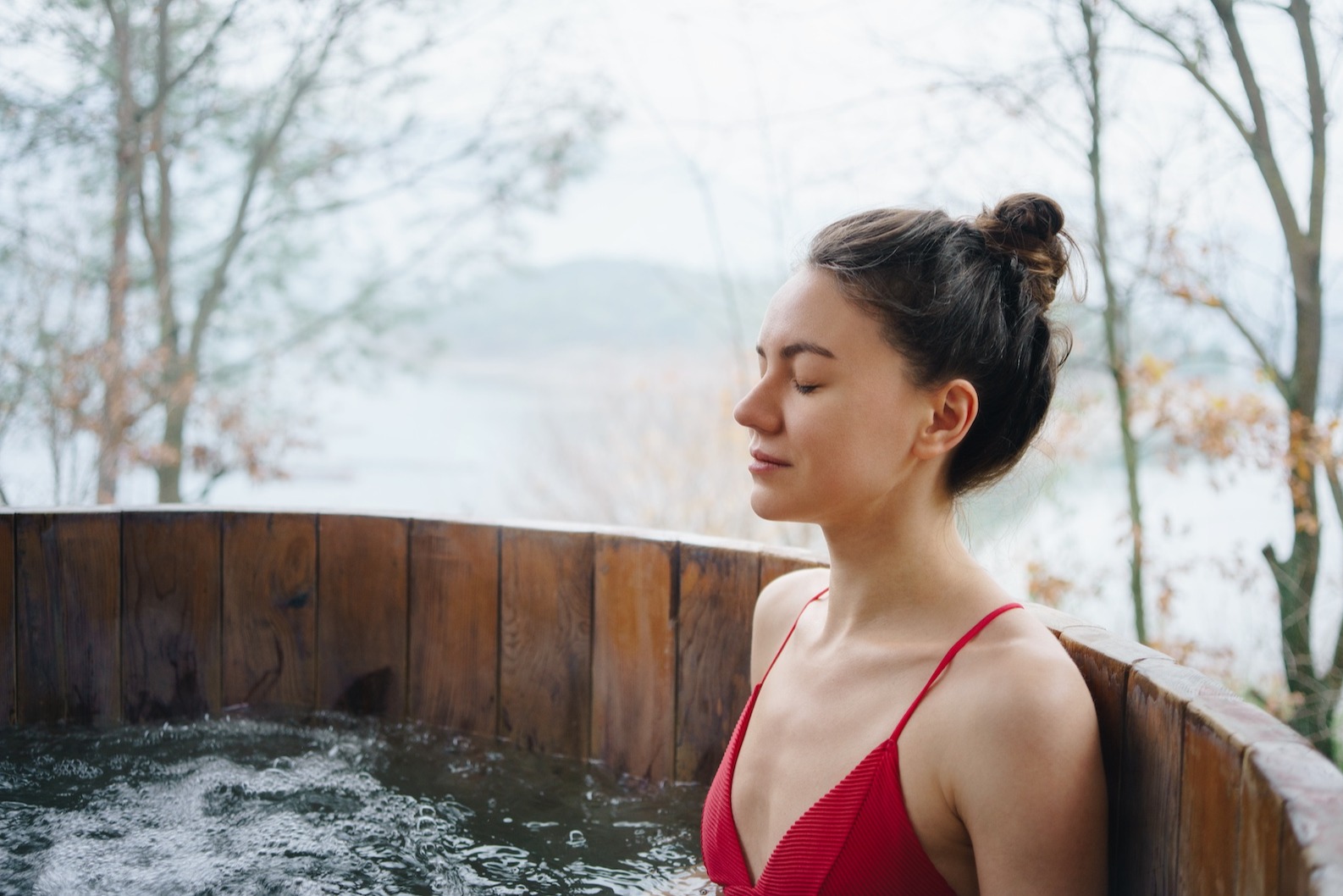
(Imagine here: A serene photo of a woman emerging from a cold plunge tub, steam rising, calm expression—capturing that post-dip glow.)
People Also Ask About Cold Plunging for Women
Google users are asking these exact questions:
Are cold plunges bad for women’s hormones?
Not inherently—moderate exposure can support mood and resilience, but extreme or mistimed plunges might spike stress hormones and affect cycle regularity in some.
When in my menstrual cycle should I avoid cold plunging?
Many experts suggest easing up in the luteal phase when progesterone makes cold feel harsher; follicular phase often feels more tolerable.
Do cold plunges help with PMS or menstrual cramps?
Anecdotal reports and some surveys say yes—reduced anxiety, mood swings, and discomfort for many—but solid clinical trials are still emerging.
Is cold plunging safe during pregnancy?
Generally no—consult your doctor; the shock can stress the body and raise risks like changes in blood pressure.
What’s the best temperature for women doing cold plunges?
Around 55–59°F often recommended over sub-50°F to get benefits without excessive stress response.
Final Thoughts: Should You Try It?
Cold plunging isn’t a must-do for every woman, but for those curious and healthy, it can be a powerful ritual when tailored. Start slow, honor your cycle, and track how you feel—energy, mood, recovery. If it leaves you energized and clearer, keep going. If it drains you, pivot to gentler practices like contrast showers. Your body knows best; trends don’t get the final say.
Word count: 2,712